
Post Stroke Home Assistance That Helps
- safeandsoundhc
- 5 days ago
- 6 min read
The first few days home after a stroke can feel heavier than anyone expected. Even when the hospital discharge goes smoothly, families often realize that recovery at home is not just about rest. Post stroke home assistance helps bridge that gap between medical treatment and everyday living, giving survivors the support they need while helping loved ones feel less alone in the process.
For many families, the biggest question is not whether help is needed. It is what kind of help will actually make daily life safer, calmer, and more manageable. The answer depends on the person’s abilities, the home environment, and how much family support is realistically available day to day.
What post stroke home assistance really includes
After a stroke, a person may return home with visible physical changes, or with challenges that are harder to spot at first. Weakness on one side, trouble walking, fatigue, confusion, speech changes, poor balance, and difficulty with bathing or dressing can all affect recovery. Some people also experience emotional changes such as frustration, anxiety, or depression.
Post stroke home assistance focuses on non-medical support that makes daily routines possible and safer. That may include help with personal care, meal preparation, mobility around the home, reminders, companionship, light housekeeping, and support during the transition from hospital or rehab back into a familiar setting.
This kind of care does not replace doctors, nurses, or therapists. It supports the parts of recovery that happen in between appointments, during regular mornings, afternoons, and evenings when a survivor still needs hands-on help or close supervision.
Why recovery at home often needs more support than families expect
A stroke changes more than strength or movement. It can affect attention, memory, judgment, and energy levels. Someone who looks physically stable may still struggle to remember safety steps, pace themselves, or ask for help when they need it.
That is where post stroke home assistance can make a meaningful difference. A trained caregiver can help reduce fall risk, support routines, and notice when something seems off. Families often carry a lot of responsibility after discharge, and many are balancing work, parenting, and their own health at the same time. Reliable home support can ease that pressure without taking away the survivor’s dignity.
There is also a practical side to this. Recovery is usually strongest when a person can follow a routine. Meals happen on time, exercises are encouraged, medications are not forgotten, and the home stays organized enough to move through safely. Those small details matter more than most people realize.
Signs a stroke survivor may need help at home
Some families plan for in-home care before discharge. Others realize the need only after a difficult first week. Both are common.
A person may benefit from home assistance if they need help getting in and out of bed, struggle with bathing or toileting, cannot safely prepare meals, or become unsteady while walking. Care may also be needed if they are forgetful, tired enough to skip basic tasks, or emotionally overwhelmed by the recovery process.
Even when a spouse or adult child is present, support can still be necessary. Family caregivers are often doing their best, but stroke recovery can be physically and emotionally demanding. Respite and shared care are not signs of failure. They are often what make long-term support sustainable.
How home care supports stroke recovery day to day
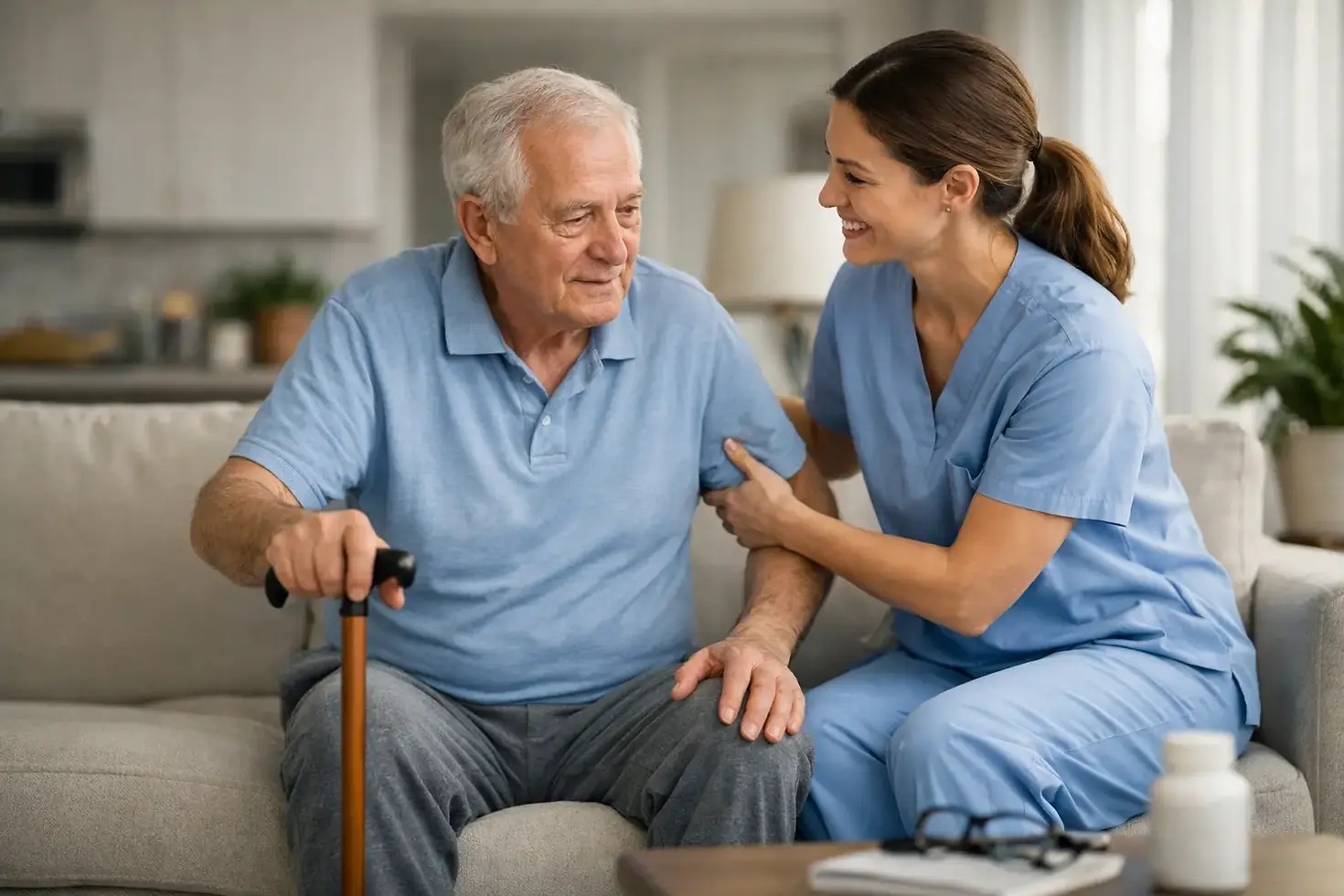
The daily value of post stroke home assistance is often found in ordinary tasks. A caregiver may help someone move safely from the bed to a chair, assist with dressing, prepare a simple lunch, and offer steady companionship during a frustrating afternoon. These moments may seem small, but they can reduce stress and help a survivor feel more confident at home.
Caregivers can also support consistency. If a person is supposed to stay hydrated, eat regularly, and conserve energy between therapy sessions, someone needs to help make those goals realistic. When routines are more predictable, recovery tends to feel less chaotic for everyone involved.
There is also emotional comfort in having a calm, dependable presence nearby. After a stroke, many people feel vulnerable or discouraged. Being treated with patience and respect matters. Good in-home support protects both safety and morale.
Creating a safer home after a stroke
A safer home environment is one of the most important parts of recovery. Falls are a real concern, especially when weakness, balance changes, or fatigue are involved.
Simple adjustments can help right away. Clear walking paths, remove loose rugs, improve lighting, and keep frequently used items within easy reach. Bathrooms often need extra attention because transfers, wet floors, and tight spaces create more risk. Some families add grab bars, a shower chair, or a raised toilet seat depending on the survivor’s needs.
It is also worth looking at the rhythm of the home. If a person tires easily, carrying them up stairs several times a day may not be realistic. If they have trouble with memory or judgment, leaving them alone for long periods may not be safe. The best setup is not always the most convenient one. It is the one that reduces risk while preserving as much independence as possible.
The balance between independence and assistance
One of the hardest parts of stroke recovery is finding the right balance between helping and overhelping. Families naturally want to protect their loved one, but doing too much can sometimes increase frustration or reduce confidence.
Good post stroke home assistance supports independence where possible and steps in where needed. That may mean allowing extra time for someone to button a shirt on their own, while still being close enough to prevent a fall. It may mean offering reminders instead of taking over a task completely.
This balance can change from week to week. Some people improve quickly. Others have a longer recovery with setbacks along the way. Care should be flexible enough to meet the person where they are, not where everyone hoped they would be by now.
What families should look for in post stroke home assistance
Not all home support is equally suited to stroke recovery. Families should look for caregivers who understand mobility concerns, personal care needs, and the emotional strain that often follows a major health event. Patience matters. So does reliability.
Clear communication is also essential. Loved ones need to know what kind of help is being provided, how the survivor is managing at home, and whether any new concerns are coming up. The goal is not just coverage. The goal is coordinated, compassionate support that helps the whole household function better.
It also helps to choose care that can adjust over time. Some people need more support in the beginning and less later on. Others may start with a few hours of help and eventually need a more consistent schedule. A responsive care plan is often more useful than a one-size-fits-all arrangement.
For Bay Area families, working with a trusted local provider such as Safe and Sound Home Care can bring welcome peace of mind during a time that already feels uncertain.
When to start home assistance
Earlier is often better. If support is in place before the first day home, families can focus more on settling in and less on scrambling to manage every task alone. But it is never too late to bring in help.
Some households wait until exhaustion sets in or a close call makes the need obvious. That happens often, especially when family members believe they should be able to manage everything themselves. The truth is that asking for support can protect the stroke survivor and the family caregiver at the same time.
Home assistance can also be short term. A family may need extra coverage after discharge, during the first phase of rehab, or while a primary caregiver returns to work. Others may need longer support because the stroke caused lasting changes. Both situations are valid.
A care plan should fit the person, not just the diagnosis
No two stroke recoveries look exactly the same. One person may mainly need help with walking and bathing. Another may be physically steady but need supervision because of confusion or poor judgment. Some people want a caregiver who talks them through the day. Others prefer quiet, respectful help with routines and privacy.
That is why the best post stroke home assistance is personal. It should reflect the survivor’s abilities, personality, home setup, and family circumstances. Practical care works best when it is delivered with respect for the person behind the diagnosis.
Coming home after a stroke can be emotional, messy, and full of adjustments. With the right support, it can also be safer, steadier, and less overwhelming than it first feels.


